
Free Tax Guides for Non-Residents & Cross-Border Canadians
Whether you are leaving Canada, working in the US, or earning rental income as a non-resident, CRA has specific filing requirements you cannot ignore. Our free guides simplify complex tax rules and help you avoid costly penalties. Download the guides that apply to your situation and take control of your cross-border tax obligations.





Leaving Canada? Your Assets Could Be Taxed Before You Go.
Your departure from Canada triggers tax obligations most people discover too late. CRA treats your assets as “sold” the day you leave. This free guide walks you through deemed disposition rules, residency ties, form requirements, and strategies to protect your wealth before you go.
What’s Inside the Guide:
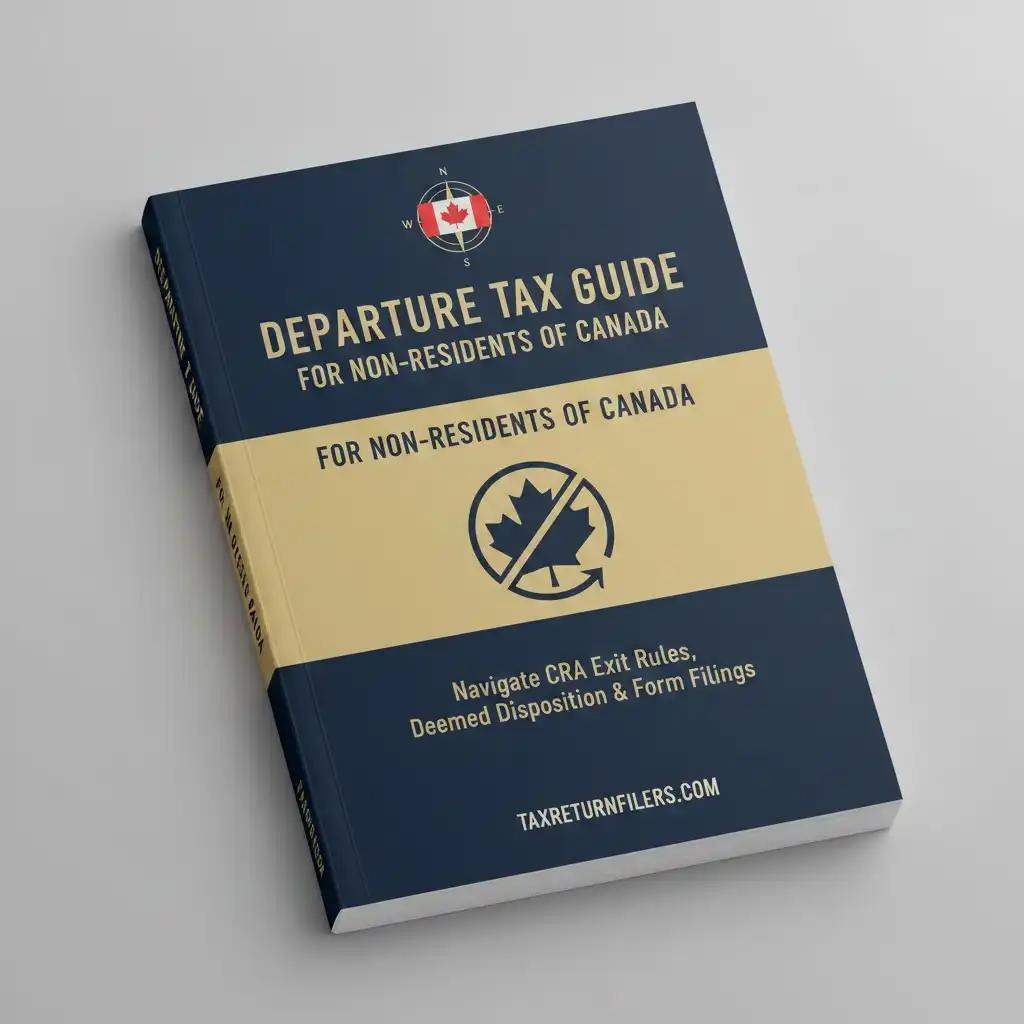
Missing one form like the T1161 triggers automatic CRA penalties up to $2,500, even if you owe zero tax.
Working in the US While Your Family Lives in Canada? You Could Be Taxed Twice.
Working in the United States while your spouse and children remain in Canada creates a tax residency trap most professionals never see coming. Your visa status and work location do not determine where you pay taxes. This free guide explains how CRA determines your residency, how the Canada-US Tax Treaty protects you, and how to avoid paying taxes in both countries.
What’s Inside the Guide:
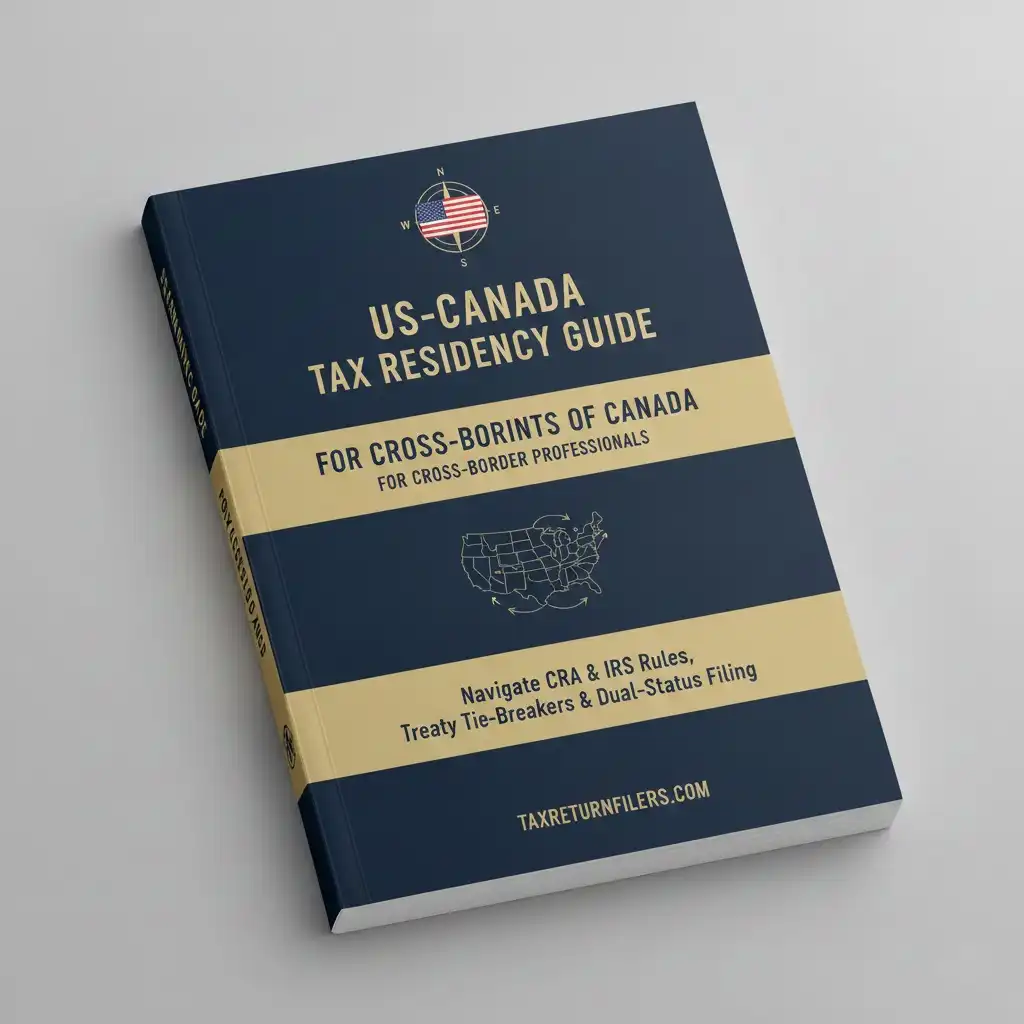
CRA and IRS share taxpayer information. Failing to report worldwide income based on your true residency triggers audits, heavy interest charges, and potential prosecution in both countries.
Non-Resident Landlord? Stop Paying 25% Tax on Your Gross Rent.
Non-resident landlords lose thousands of dollars every year to the flat 25% withholding tax on gross rental income. Section 216 allows you to pay tax only on your net profit after deducting mortgage interest, property taxes, insurance, and repairs. This free guide shows you how to file correctly, meet CRA deadlines, and keep more of your rental income.
What’s Inside the Guide:
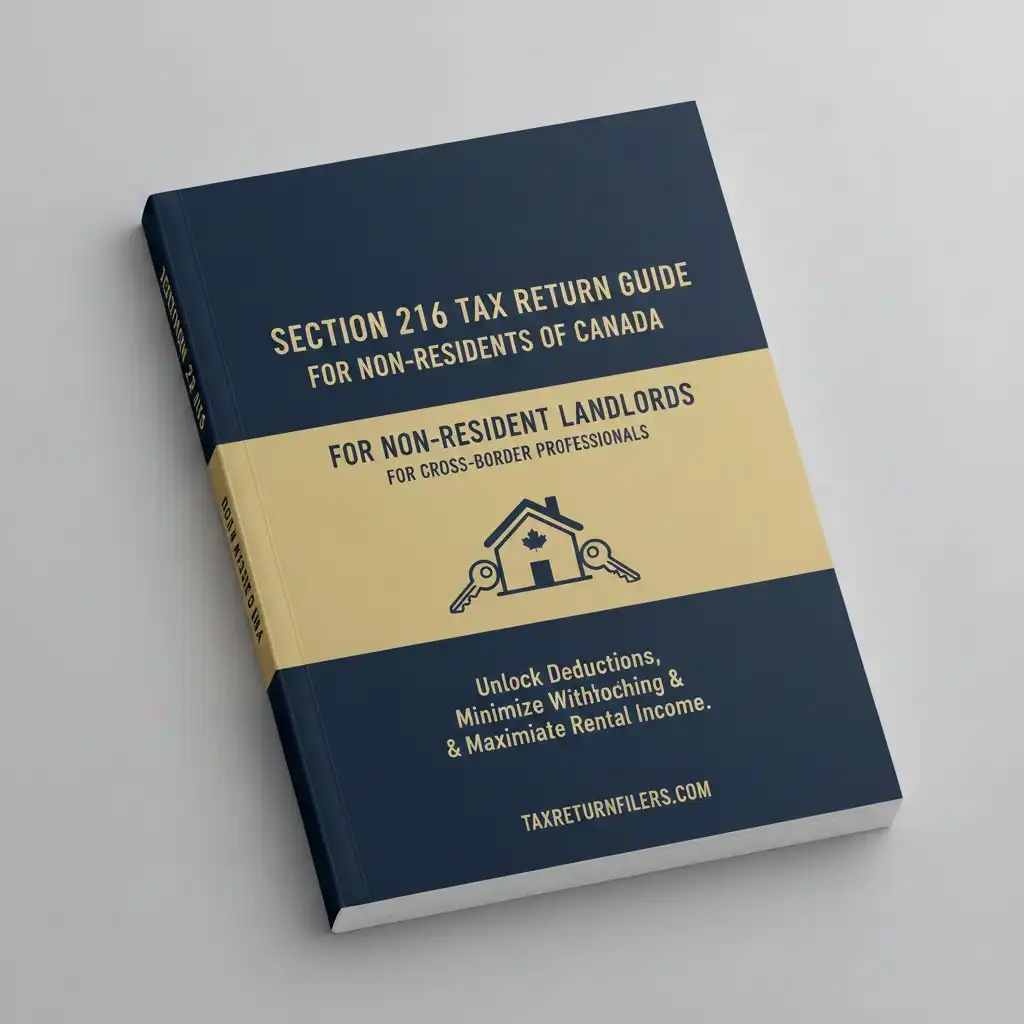
Most non-resident landlords save thousands of dollars annually by filing a Section 216 return instead of accepting the flat 25% withholding tax on gross rent.
