Parking Violation Fines and How to Appeal Your Parking Permit Ticket
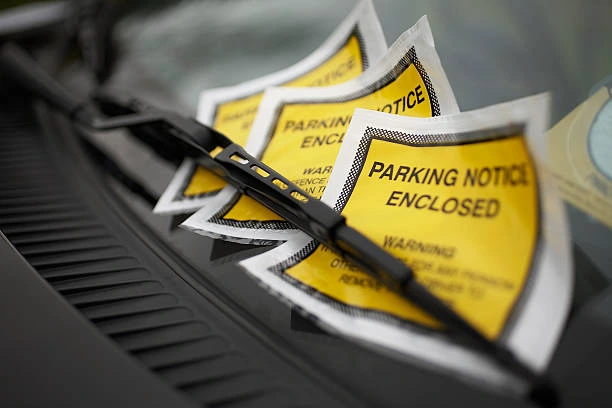
A parking violation occurs when a vehicle parks in an unauthorized area, exceeds time limits, or fails to comply with posted parking regulations. Common parking violations include expired permits, parking without valid permits, violating overnight parking bans, blocking fire routes, and parking in restricted zones during prohibited hours. Parking violation fines vary by city and infraction type. It ranges from $30 to over $200 for serious offenses.
Understanding violation types, fine amounts, and appeal procedures helps drivers address tickets effectively and avoid repeat offenses. This comprehensive guide covers parking violation categories, penalty amounts across major Canadian cities, appeal processes, and prevention strategies to help you navigate parking tickets confidently.
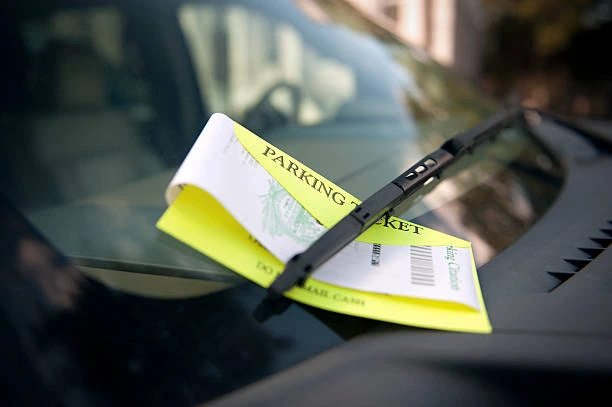
What Is a Parking Violation?
A parking permit violation is a legal infraction that occurs when a vehicle parks in a way that breaks municipal parking bylaws or posted regulations. Cities enforce parking rules to maintain traffic flow, ensure emergency access, support snow removal operations, and manage limited parking resources fairly.
Parking violations can result from intentional rule-breaking or honest mistakes about parking regulations. Either way, the vehicle owner remains responsible for the parking violation fine and any related penalties. Municipal parking enforcement officers patrol streets regularly, checking for compliance with parking rules including permit requirements, time limits, and zone restrictions.
Common Types of Parking Violations
Parking violations fall into several categories based on the specific rule violated and the severity of the infraction.
1. Permit-Related Violations
Permit-related parking violations include parking without a valid permit in permit-required zones, displaying expired permits, using permits in unauthorized zones, and failing to properly display permits where enforcement officers can verify them. These violations are common in residential areas with active permit programs designed to protect resident parking access.
2. Time Limit Violations
Time limit parking violations occur when vehicles exceed posted parking duration limits. Many streets allow free parking for specific periods, such as one hour or two hours, before requiring payment or relocation. Exceeding these limits results in parking violation tickets even if no other rules were broken.
3. Restricted Zone Violations
Restricted zone parking violations include parking in fire routes, blocking driveways, parking too close to intersections or fire hydrants, and parking in loading zones without authorization. These violations typically carry higher fines because they create safety hazards or block essential access.
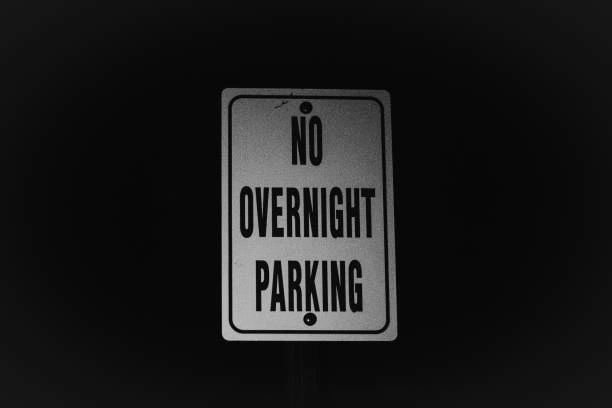
4. Overnight Parking Violations
Overnight parking violations happen when vehicles park on streets during prohibited nighttime hours. Many cities ban overnight street parking to facilitate snow removal, street cleaning, and emergency access. Violations in this category are particularly common during winter months when seasonal parking bans are actively enforced.
City-Specific Parking Violations and Fines
Parking violation rules and fines vary by city across Canada. Understanding local enforcement practices helps you avoid tickets and know what to expect if violations occur.
1. Toronto Parking Violations
Toronto Parking Enforcement officers patrol throughout the city monitoring compliance with parking by laws and permit requirements. Common violations include parking without valid residential parking permits, exceeding meter time limits downtown, violating rush hour restrictions, and parking during street cleaning.
To avoid costly tickets and understand zone-specific requirements, you need a complete Toronto parking permit guide covering residential permits, temporary permits, visitor passes, and all city-specific parking rules.
2. Brampton Parking Violations
Brampton’s enforcement services team monitors compliance across all neighborhoods and commercial areas. Frequent violations include parking without valid permits, violating the overnight parking ban (2:00 AM – 6:00 AM year-round), parking during winter snow removal (November 1 – April 1), and displaying expired permits.
Understanding overnight parking bans and seasonal restrictions is essential. For detailed information about staying compliant, see the comprehensive Brampton parking permit guide covering residential permits, renewal deadlines, and winter parking regulations.
3. Calgary Parking Violations
Calgary parking enforcement officers patrol residential areas, downtown zones, and special event locations. Common violations include parking without valid permits, violating winter parking restrictions, parking in expired meter zones, and failing to observe seasonal bans during events like Calgary Stampede.
Don’t risk fines during Calgary’s harsh winters or special events. Understanding permit requirements, winter parking bans, and seasonal restrictions is essential. For comprehensive information, see the Calgary parking permit guide covering all regulations.
Parking Violation Fine Comparison by City
| City | Common Violations | Fine Range | Additional Penalties |
|---|---|---|---|
| Toronto | Parking without valid permits, exceeding meter limits, rush hour violations | $30 – $450 | Escalating fines for repeat violations |
| Brampton | Parking without permits, overnight parking ban violations, winter snow removal violations, expired permits | $30 – $100+ | Vehicle towing for safety hazards |
| Calgary | Parking without permits, winter parking restrictions, expired meters, seasonal event bans | $40 – $150+ | Increased fines and towing for repeat violations |
How to Appeal Your Parking Ticket
Appealing a parking violation requires understanding the specific appeal process for your municipality and submitting your dispute within required timeframes.
1. Review Your Ticket Carefully
Before filing an appeal, examine your parking ticket thoroughly to understand the specific violation, fine amount, location details, date and time of infraction, and deadline for payment or appeal. Check for errors in vehicle information, license plate numbers, or location details that might support your appeal.
2. Gather Supporting Evidence
Strong parking violation appeals include supporting documentation such as photographs showing parking signs, permit display, or conditions at the time of parking. Valid permit documentation proving you had proper authorization, receipts or records showing payment if the ticket claims non-payment, and witness statements if applicable to your situation strengthen appeal cases.
3. Submit Your Appeal on Time
Each city has specific deadlines for parking ticket appeals, typically ranging from 15 to 30 days from the ticket issue date. Missing these deadlines usually forfeits your right to dispute the parking violation, leaving payment as your only option.
4. Appeal Submission Methods
Most Canadian cities offer multiple appeal submission options including online dispute systems through city parking portals, mail-in appeals with supporting documentation, and in-person hearings for complex cases or situations requiring verbal testimony.
What Happens During the Appeal Process
After submitting your parking violation appeal, a city official or hearing officer reviews your submission, examines supporting evidence, and determines whether the ticket was properly issued. The city may request additional information or clarification before making a final decision.
If your appeal succeeds, the parking violation is cancelled and no payment is required. Partial success might result in reduced fines or amended violation types. If the appeal fails, you must pay the original fine amount, often with additional late fees if the payment deadline has passed.
Preventing Parking Violations
Avoiding parking violations requires awareness of local parking rules, proper permit management, and attention to posted signs and seasonal restrictions. Always verify parking signs before leaving your vehicle, checking for time limits, permit requirements, restricted hours, and special conditions that apply to the specific location.
Maintain current residential parking permits and ensure proper display where enforcement officers can easily verify them. Set reminders for parking permit renewal deadlines to avoid gaps in coverage that could result in violations.
Pay attention to seasonal changes, particularly winter parking bans that affect overnight parking and snow route access. Cities typically publicize seasonal parking rules through websites, social media, and street signage, but residents remain responsible for staying informed.
Common Parking Violation Mistakes to Avoid
Many parking violations result from common misunderstandings about parking rules and permit requirements. Here are key mistakes to avoid:
- Assuming permits override all parking signs: Permits allow extended parking in designated zones but do not exempt vehicles from fire route restrictions, time limits in commercial areas, or seasonal parking bans. Always check posted signs even when displaying valid permits.
- Ignoring temporary restriction signs: Temporary no-parking signs for construction, special events, or emergencies supersede normal parking permissions and must be observed regardless of permit status.
- Failing to update permits after changes: Not updating permits after vehicle changes, address moves, or permit expiration creates vulnerability to parking violations even when drivers believe they have proper authorization.
- Parking during overnight hours without checking local bans: Overnight parking in cities with nighttime parking bans causes numerous violations, particularly for drivers unfamiliar with local rules or visitors from areas without similar restrictions.
Conclusion
Understanding parking violations, fine structures, and appeal processes helps drivers navigate parking tickets effectively across Canadian cities. From permit-related infractions to time limit violations and seasonal parking restrictions, knowing the rules reduces violation risks and associated costs. When parking violations occur, prompt action including careful ticket review, evidence gathering, and timely appeals can result in successful dispute outcomes or reduced penalties.
For those managing multiple vehicles, rental properties, or business fleets where parking costs and violations affect your financial records, Tax Return Filers Professional Corporation provides professional bookkeeping and expense tracking services to help you organize parking-related costs and maintain accurate records for tax purposes.
Book a Free Meeting with Our Tax Experts
Take the first step toward better tax planning with a free consultation. Our team is ready to review your situation and provide clear guidance. Book a time slot directly on our calendar and we will connect with you shortly.