Sole Proprietorship in the US: Tax Guide for New Business Owners
Operating a business as a sole proprietorship in the United States is the most direct route to entrepreneurship. It offers simplicity and full control. For new business owners, this means your business profits and losses are reported on your personal tax return. The key aspects to manage are pass-through taxation, self-employment taxes, and your personal responsibility for all business debts.
This guide covers the essential information you need to navigate the financial landscape of a sole proprietorship.

What is a Sole Proprietorship in the United States?
A sole proprietorship is the simplest business structure. If you start a business by yourself and don’t register it as a corporation or LLC, you are automatically a sole proprietor. In the eyes of the law and the IRS, you and your business are the same entity.
This structure is popular because it’s easy and inexpensive to set up. You are entitled to all business profits, but you are also personally responsible for all its debts and legal liabilities. This concept, known as unlimited personal liability, is the most important trade-off for the simplicity this business structure offers.
For those seeking expert guidance to start correctly, companies like Tax Return Filers provide the specialized support needed to ensure compliance and build a strong financial foundation.
Your Three Core Federal Tax Obligations
For a sole proprietorship in the United States, your tax life revolves around three key concepts. Understanding them is not optional, it’s essential for survival and success.
1. Pass-Through Taxation: Your Income on Your Personal Return
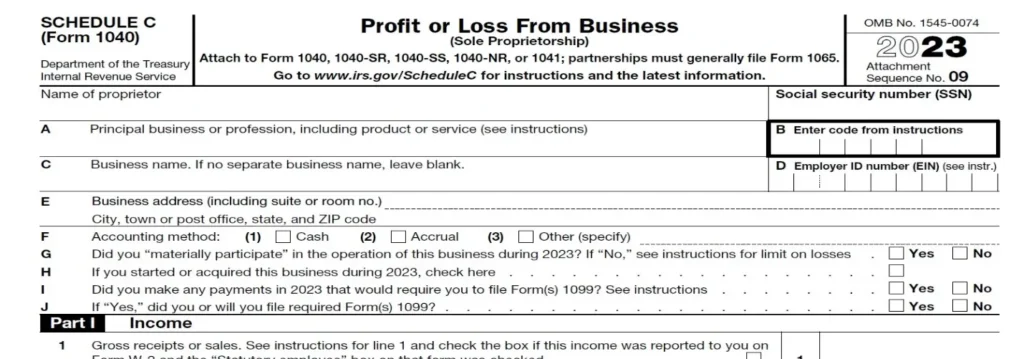
Your business does not file its own tax return. Instead, its financial activity “passes through” to your personal tax return. You will use a form called Schedule C (Form 1040), Profit or Loss from Business, to report all your business income and subtract your business expenses.
The final number on your Schedule C, your net profit or loss, is then reported on your personal Form 1040. This business profit is added to any other income you have (like from another job or investments), and you pay tax on the total amount based on your personal income tax bracket.
2. Self-Employment Tax: The Cost of Being Your Own Boss
When you work for an employer, they pay half of your Social Security and Medicare taxes. As a sole proprietor, you must pay both the employer and employee portions yourself. This is called self-employment tax.
The rate is 15.3% of your net business earnings (12.4% for Social Security and 2.9% for Medicare). You calculate this using Schedule SE. The good news is that you can deduct one-half of what you pay in self-employment tax from your income, which helps lower your overall tax bill.
3. Quarterly Estimated Taxes: Paying as You Go
Because no employer is withholding taxes from your paychecks, you are responsible for paying your income and self-employment taxes to the IRS throughout the year. These are called quarterly estimated tax payments.
These payments are typically due on April 15, June 15, September 15, and January 15 of the following year. If you expect to owe more than $1,000 in tax for the year, you must make these payments. Failing to do so can lead to underpayment penalties, even if you pay your full tax bill in April.
Lowering Your Tax Bill: The Power of Deductions
Business deductions are your most powerful tool for reducing your taxable income. The IRS allows you to deduct expenses that are both “ordinary and necessary” for your business. These expenses lower the net profit on your Schedule C, which in turn reduces both your income tax and your self-employment tax.
Common deductions include:
- Vehicle Expenses: The mileage you drive for business.
- Home Office Expenses: A portion of your rent and utilities if you have a dedicated workspace.
- Office Supplies: Paper, ink, software, and other materials.
- Professional Fees: Payments to accountants, lawyers, or consultants.
Keep detailed records of every business expense. Good record-keeping is not just for compliance; it is a profit-saving strategy.
Getting Started on the Right Foot
To ensure your sole proprietorship operates smoothly, focus on these two foundational steps from the very beginning.
First, open a separate business bank account. While not legally required, this is the single best thing you can do to simplify your bookkeeping. It creates a clear line between your business and personal finances that makes it easy to track income, find deductions, and prepare your tax return.
Second, check for local requirements. While you don’t register a sole proprietorship with the federal government, your city or state may require you to have a business license or permit. If you plan to operate under a name other than your own, you will likely need to file for a “Doing Business As” (DBA) name.
Conclusion
A sole proprietorship in the United States is an excellent entry point into the world of business, but its simplicity comes with significant financial responsibility. By understanding pass-through taxation, planning for self-employment tax, making timely quarterly payments, and maximizing your deductions, you can build a stable and profitable enterprise. A proactive approach to your tax obligations is the key to long-term success. For new entrepreneurs who want to ensure they are on the right path from day one, the experts at Tax Return Filers can provide the clarity and strategic guidance needed to thrive.
FAQs
Book a Free Meeting with Our Tax Experts
Take the first step toward better tax planning with a free consultation. Our team is ready to review your situation and provide clear guidance. Book a time slot directly on our calendar and we will connect with you shortly.