GST and PST in BC: What Vancouver Small Businesses Must Know
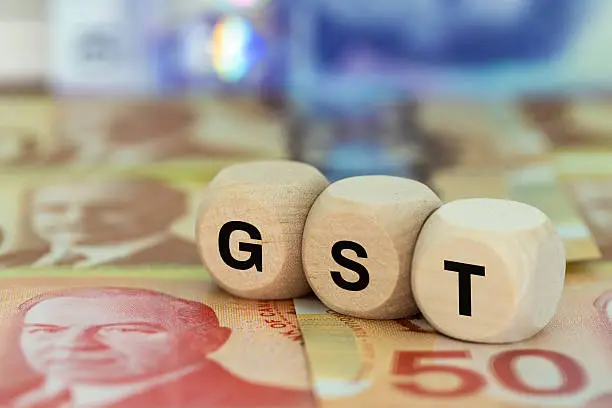
Vancouver small businesses must deal with two separate sales taxes: GST at 5% collected for the federal government and PST at 7% collected for the province of BC. Unlike provinces that use a single harmonized tax, BC keeps these two taxes completely separate, which means separate registration, separate returns, and separate rules for what is taxable.
Understanding how GST and PST in BC work together is essential for every Vancouver business owner who wants to stay compliant, avoid penalties, and manage cash flow effectively throughout the year.
How the BC Tax System Works?
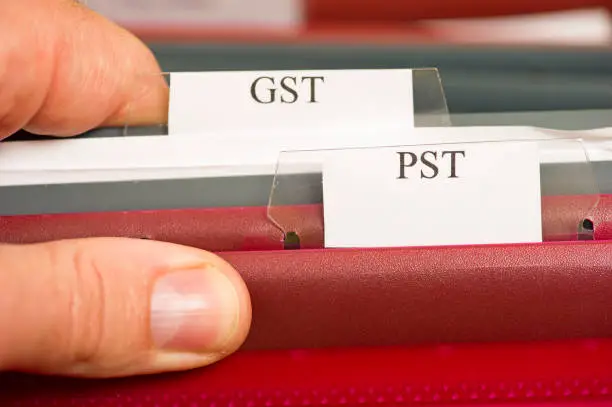
BC operates a dual tax system where GST and PST run alongside each other but are administered by two completely different government bodies. GST is a federal tax administered by the Canada Revenue Agency (CRA), while PST is a provincial tax administered by the BC Ministry of Finance.
This separation matters because registering for GST does not automatically register you for PST, and vice versa. A Vancouver business that only registers for GST and ignores PST is only half compliant. Both registrations are legally required if your business sells taxable goods or services in BC. The combined effective tax rate on most taxable goods in BC is 12%, made up of 5% GST and 7% PST. For consumers, this appears as two separate line items on receipts.
GST in BC: What Vancouver Businesses Need to Know
Who Must Register for GST in BC?
GST registration in BC follows the same federal rules that apply across Canada. Your business must register for GST with the CRA if your total taxable revenues exceed $30,000 in a single calendar quarter or over four consecutive quarters.
Once you cross this threshold, you have 29 days to register. Businesses that expect to stay below $30,000 are considered small suppliers and are not required to register, though voluntary registration is allowed and often beneficial.
Collecting and Remitting GST
Once registered, your Vancouver business collects 5% GST on every taxable sale and remits it to the CRA on a monthly, quarterly, or annual schedule depending on your revenue level. In return, you can claim Input Tax Credits (ITCs) to recover the GST you paid on eligible business expenses.
ITCs are one of the most valuable benefits of GST registration. If your business spends significantly on supplies, equipment, or services, claiming ITCs can result in a net GST refund from the CRA rather than a balance owing.
GST Filing Deadlines for BC Businesses
Your GST filing frequency is assigned by the CRA based on your annual taxable sales:
- Annual filers have taxable sales of $1.5 million or less and submit one return per year.
- Quarterly filers have taxable sales between $1.5 million and $6 million and submit four returns per year.
- Monthly filers have taxable sales above $6 million and submit twelve returns per year.
Returns and payments are due one month after the end of each reporting period. Missing a deadline results in late filing penalties and compound daily interest on any unpaid balance.
PST in BC: What Vancouver Businesses Need to Know
Who Must Register for PST in BC?
PST registration in BC is mandatory if your business sells taxable goods, provides taxable services, or leases taxable goods to customers in BC. Unlike GST, there is no revenue threshold for PST registration. If you sell taxable goods or services in BC, you must register — regardless of how much you earn.
Businesses that are based outside BC but sell taxable goods or services to BC customers are also required to register for PST. This includes many online retailers and service providers who may not have a physical presence in the province.
What Is Taxable Under BC PST?
PST applies broadly to tangible personal property sold in BC. This includes retail goods, software, certain digital products, and specific services such as accommodation and telecommunications. Not everything is subject to PST. Key exemptions include:
- Basic groceries and most food for human consumption
- Prescription medications and certain medical devices
- Children’s clothing under a certain price threshold
- Goods purchased for resale — businesses buying inventory for resale do not pay PST on those purchases
Understanding what is and is not taxable under BC PST is one of the most common areas where Vancouver small businesses make mistakes. Charging PST on an exempt item or failing to charge it on a taxable one both create compliance problems.
Collecting and Remitting PST
Once registered, your business collects 7% PST on taxable sales and remits it to the BC Ministry of Finance. Unlike GST, PST does not have an input tax credit system. This means you cannot recover the PST you pay on your own business purchases the way you can with GST.
PST returns are filed on a schedule assigned by the BC Ministry of Finance, typically monthly or quarterly depending on your volume of taxable sales. Remittance is made directly to the province, not to the CRA.
PST Registration Process in BC
Registering for PST in BC is done through the BC Ministry of Finance online registry, which is separate from the CRA’s GST registration process. You will need your business information, a description of your taxable activities, and your expected PST filing frequency.
Once registered, you receive a PST number that must be quoted on returns and correspondence with the BC Ministry of Finance. Keeping this separate from your GST business number is important for accurate record-keeping.

Key Differences Between GST and PST in BC
Both taxes apply to most sales in BC, but they operate under completely different rules, rates, and administrative systems. Here is a clear side-by-side comparison:
| Feature | GST | PST |
|---|---|---|
| Administered by | CRA (Federal) | BC Ministry of Finance |
| Rate | 5% | 7% |
| Registration threshold | $30,000 in taxable sales | No threshold |
| Input tax credits | Yes | No |
| Filing deadline | Monthly, quarterly, or annual | Monthly or quarterly |
| Remittance | CRA | BC Ministry of Finance |
This table highlights why managing GST and PST in BC requires attention to two completely separate systems. A Vancouver business that treats them as interchangeable will quickly run into compliance issues.
Common Mistakes Vancouver Small Businesses Make
Many Vancouver small businesses struggle with PST compliance because they are more familiar with the GST system. Here are the most frequent errors:
- Registering for GST but forgetting PST is the single most common mistake Vancouver small businesses make. GST registration does not trigger PST registration automatically, so both must be completed separately.
- Applying PST to exempt goods creates refund obligations and erodes customer trust. Overcharging on items that are legally exempt puts your business in a difficult position with both customers and the Ministry of Finance.
- Missing PST on taxable services catches many service-based businesses off guard. Some owners assume PST only applies to physical goods and overlook taxable services such as software and telecommunications.
- Poor record-keeping makes it difficult to file accurately for both taxes at the same time. Because GST and PST have completely separate filing systems, disorganized books create errors across both returns simultaneously.
Getting these details right from the start saves significant time, money, and stress down the road. Our team at Tax Return Filers provides GST and PST Filing Services, Corporate Tax Filing, Bookkeeping Services, and Accounting services to help Vancouver small businesses stay on top of both tax systems with accuracy and confidence.
How GST and PST in BC Fit Into the Bigger Picture?
BC’s dual tax system is one of the more complex provincial setups in Canada. For a complete picture of how sales taxes work across every province, including harmonized provinces like Ontario and GST-only provinces like Alberta, our detailed guide on GST, HST and PST in Canada covers the full national framework side by side.
Understanding where BC sits within the broader Canadian tax landscape helps Vancouver business owners make smarter decisions, especially those who sell to customers in multiple provinces.
Conclusion
GST and PST in BC are two separate obligations that demand separate attention. Registering for one does not cover the other, and the rules around what is taxable, how to file, and where to remit are completely different for each tax. For Vancouver small businesses, staying compliant means understanding both systems, keeping accurate records, filing on time, and knowing which goods and services are taxable under each. The administrative load is real, but the consequences of getting it wrong, including penalties, interest, and audits by the CRA or Ministry of Finance, are far more costly.
Book a Free Meeting with Our Tax Experts
Take the first step toward better tax planning with a free consultation. Our team is ready to review your situation and provide clear guidance. Book a time slot directly on our calendar and we will connect with you shortly.