Toronto Small Business Tax Guide for Simplifying Your Taxes
Toronto small business owners face a unique combination of federal and Ontario-specific tax obligations that every business must understand and manage correctly. Federal corporate income tax, Ontario’s provincial tax rates, HST at 13%, Employer Health Tax for larger payrolls, and WSIB premiums all apply depending on your business structure and revenue. Knowing what you owe, when it is due, and how to reduce your liability legally makes a measurable difference to your bottom line every year.
This Toronto small business tax guide covers every key tax obligation, important deadlines, and the steps you can take to simplify your taxes and stay fully compliant.
Federal and Ontario Corporate Tax Rates for Toronto Businesses
Toronto businesses that operate as corporations are taxed at both the federal and Ontario provincial level. Understanding the combined rate that applies to your business is the foundation of any Toronto small business tax plan.
For Canadian-controlled private corporations, the federal small business tax rate is 9% on the first $500,000 of active business income annually. Ontario adds its own provincial corporate tax rate of 3.2% for small businesses, bringing the combined federal and Ontario rate to 12.2% on income up to the $500,000 threshold. Income above $500,000 is taxed at the general combined rate of approximately 26.5%.
For a broader picture of how these rates compare across all Canadian provinces and how the small business deduction works at the federal level, our complete guide to small business tax in Canada covers the full national framework in detail.
HST Obligations for Toronto Small Businesses
Ontario uses the Harmonized Sales Tax at a combined rate of 13%, made up of the 5% federal GST and the 8% Ontario provincial component. Every Toronto business that earns more than $30,000 in taxable revenues in a single quarter or over four consecutive quarters must register for HST with the CRA.
Once registered, your business collects 13% HST on taxable sales and remits it to the CRA on a monthly, quarterly, or annual schedule based on your revenue volume. You also become eligible to claim Input Tax Credits to recover the HST paid on eligible business purchases and expenses. For businesses with significant operating costs, ITCs can substantially reduce the net HST amount owing to the CRA each period.
HST applies to most goods and services sold in Ontario, but certain supplies are zero-rated or exempt. Basic groceries, prescription drugs, and most financial services are not subject to HST. Misclassifying a taxable supply as exempt is one of the most common compliance errors Toronto small businesses make, and it can result in back taxes and penalties if identified during a CRA audit.

Ontario Employer Health Tax for Toronto Businesses
Ontario Employer Health Tax is the only payroll tax that applies to Toronto businesses with annual Ontario payrolls above $1 million. Businesses with payrolls at or below $1 million are fully exempt from EHT for the 2025 tax year.
Once your payroll crosses the threshold, EHT is calculated on a graduated rate scale. The maximum EHT rate is 1.95% applied to annual payrolls above $400,000 above the exemption threshold. For a Toronto business with $1.5 million in annual payroll, EHT represents a meaningful additional cost that must be budgeted and remitted to the Ontario Ministry of Finance on schedule.
EHT returns are filed annually by March 15 following the calendar year. Businesses with EHT payable above $2,400 per year must also make monthly installment payments throughout the year rather than settling the full balance at year end.
Toronto Business Tax Deadlines You Cannot Miss
Staying on top of every tax deadline is one of the most important habits for any Toronto small business owner. Missing a deadline does not just trigger a penalty, it triggers interest that compounds daily on the outstanding balance.
The table below summarizes the key tax deadlines that apply to most Toronto small businesses in 2026:
| Tax Obligation | Deadline |
|---|---|
| Corporate T2 tax return (Dec 31 year end) | June 30, 2026 |
| Corporate tax payment (Dec 31 year end) | February 28, 2026 |
| HST annual return (individuals, Dec 31 year end) | June 15, 2026 |
| HST balance owing (individuals) | April 30, 2026 |
| T4 slips filed with CRA | February 28, 2026 |
| Ontario EHT annual return | March 15, 2026 |
| WSIB year-end payroll reconciliation | January 31, 2026 |
Building each of these dates into your business calendar at the start of the year, with reminders set two weeks in advance, is the most reliable way to ensure nothing is missed.
Key Tax Deductions Toronto Small Businesses Should Claim
Every Toronto small business should maximize the deductions available under the CRA’s rules before calculating the income on which tax is owed. The more eligible expenses are properly documented and claimed, the lower your taxable income and the less tax your business pays.
The most valuable deductions for Toronto businesses include office rent for commercial space, home office expenses for business owners who work from home, salaries and wages paid to employees along with the employer’s share of CPP and EI, professional fees for accountants and lawyers, advertising and marketing costs, vehicle expenses based on business use percentage, business insurance premiums, and interest on loans used for business purposes.
Meals and entertainment expenses are deductible at 50% of the actual cost when the expense is directly related to earning business income. Receipts and a clear record of the business purpose for each meal or event are required to support these claims.
Sole Proprietors vs Corporations: Toronto Tax Considerations
The choice between operating as a sole proprietor and incorporating your Toronto business has a direct impact on how much tax you pay and when. Sole proprietors report business income on their personal T1 tax return and pay tax at their marginal personal rate, which in Ontario can reach over 53% on income above $220,000.
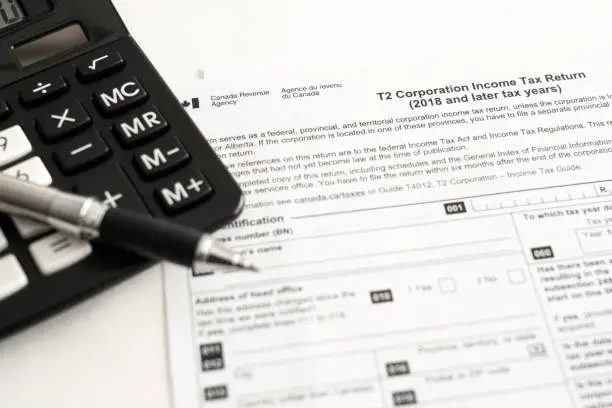
A corporation pays tax at the combined 12.2% small business rate on the first $500,000 of active income, leaving a significant portion of after-tax earnings available to reinvest in the business. This tax deferral advantage is one of the primary reasons most profitable Toronto small businesses incorporate once their annual net income consistently exceeds $50,000 to $60,000.
Managing all of these obligations accurately requires organized books, current software, and the right professional support. Our team at Tax Return Filers provides HST Returns in Toronto, Toronto Corporate Tax Filing, Bookkeeping in Toronto, and Toronto Accounting Services to help small business owners across the city stay fully compliant, minimize their tax liability, and never miss a deadline.
How to Simplify Your Toronto Small Business Taxes?
Simplifying your taxes starts with keeping your books accurate and up to date throughout the year rather than scrambling to reconstruct records at filing time. When every transaction is recorded correctly and reconciled regularly, your accountant spends less time fixing errors and more time identifying opportunities to reduce your tax bill.
A few habits make a significant difference. Separate your personal and business finances completely from day one. Keep digital copies of every receipt and invoice organized by category. Reconcile your bank accounts monthly rather than annually. File every return on time even if you cannot pay the full balance, because late filing penalties add to the cost of any tax owing.
For Toronto business owners who want to know exactly what they should be tracking throughout the year, a structured bookkeeping process that captures every deductible expense in real time is the foundation of a simpler tax outcome.
Conclusion
The Toronto small business tax guide in this post covers every layer of tax that applies to businesses operating in the city, including federal corporate tax, Ontario provincial rates, HST, EHT, and WSIB. Understanding each obligation, meeting every deadline, and claiming every available deduction are the three habits that keep Toronto small businesses financially healthy and CRA-compliant year after year. Tax does not have to be complicated. With the right systems, the right knowledge, and the right team behind you, it becomes one of the most predictable and manageable parts of running your business.
Book a Free Meeting with Our Tax Experts
Take the first step toward better tax planning with a free consultation. Our team is ready to review your situation and provide clear guidance. Book a time slot directly on our calendar and we will connect with you shortly.